by Diallo Payne

Look, nobody wants to get into a rent battle with their landlord. But sometimes these property owners act like they’re doing you a favor by letting you live in a place that’s falling apart faster than your patience. If you’re dealing with a slumlord situation in Rochester, Buffalo, or Syracuse, there are actually legit reasons why you might be able to hold onto your hard-earned cash until they get their act together.
But before we dive in, and I cannot stress this enough, withholding rent isn’t some power move you do on a whim. New York has specific laws about this stuff, and you better believe there’s a right way and a wrong way to handle it. Do it wrong, and you might find yourself with an eviction notice faster than you can say “but the heat doesn’t work.”
Here are five solid reasons why you might be justified in keeping your rent money in your pocket instead of your landlord’s.
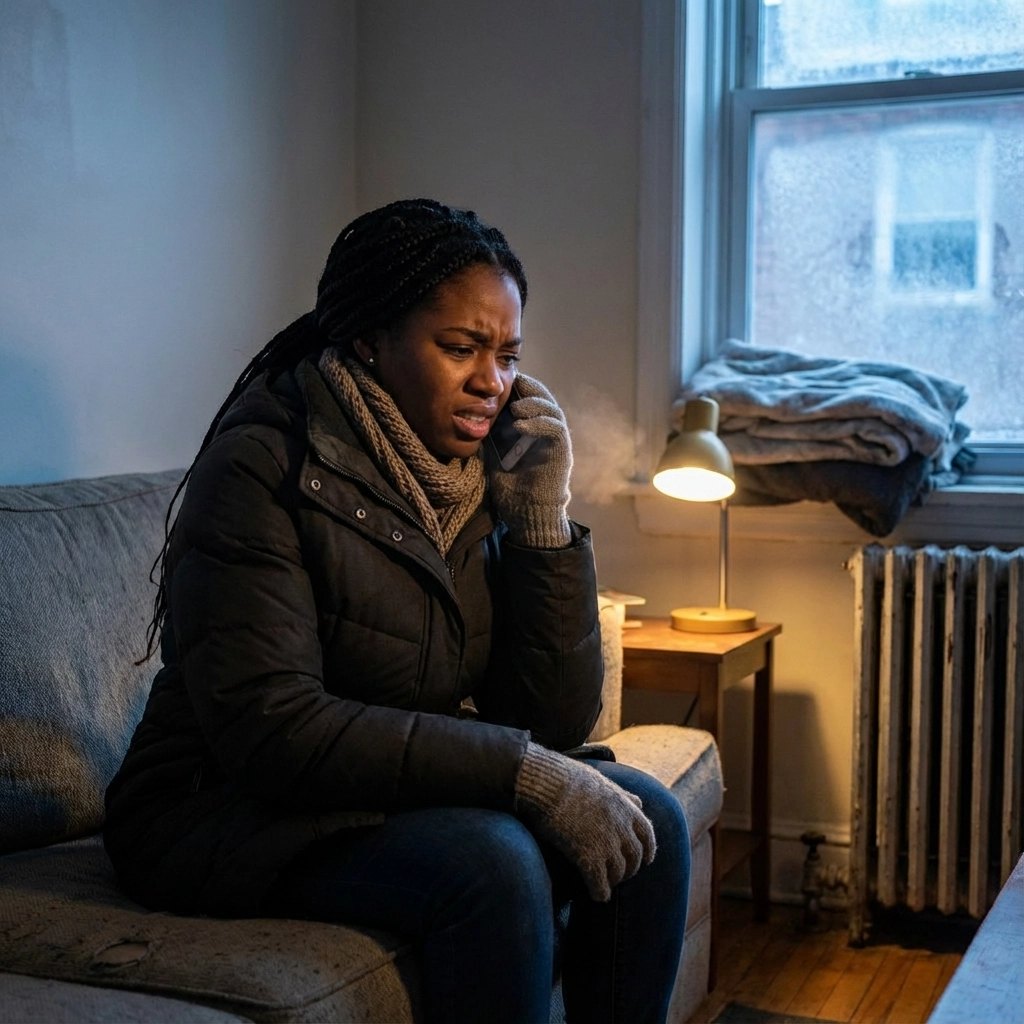
1. Your Place is Colder Than Your Landlord’s Heart (No Heat/Essential Utilities)
The Real Talk: When your apartment feels like an arctic expedition and your landlord keeps giving you the runaround about fixing the heat, you’ve got grounds to withhold rent. Same goes for no hot water, electricity that cuts out every other day, or plumbing that’s more decorative than functional.
Real-Life Example: Let’s say it’s February in Buffalo (because of course it is), and your radiator has been making death rattles since December. You’ve called your landlord twelve times, sent three emails, and even left a voicemail in your most polite voice. But here you are, still wearing your winter coat indoors like some kind of indoor camping situation. That’s when you can legally say, “Nah, I’m not paying full rent for a refrigerator with a roof.”
In New York, landlords are required to maintain heat at a minimum of 68°F during the day and 62°F at night when it’s below 55°F outside. If they can’t manage that basic requirement, why should you manage to pay them?
2. Your Landlord Thinks “Maintenance” is a Suggestion (Major Repair Failures)
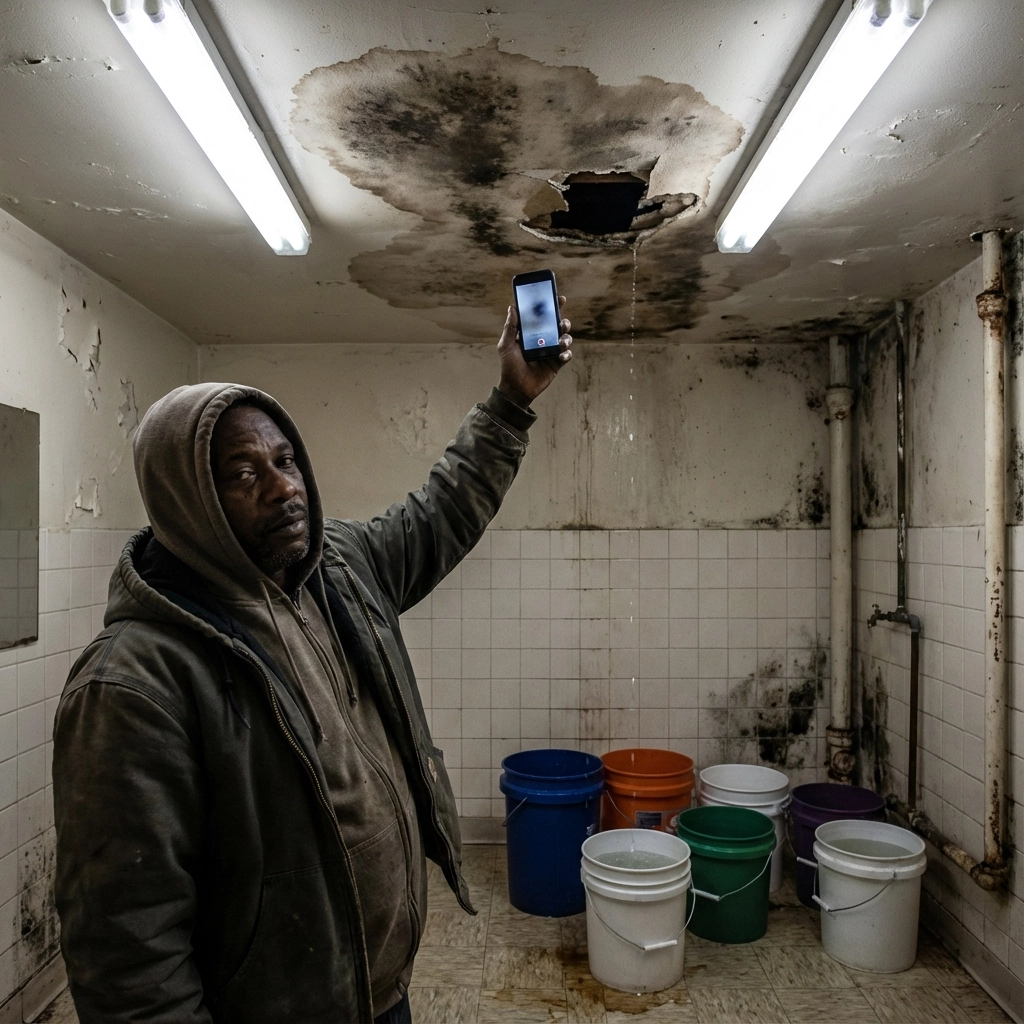
The Real Talk: When you’ve got sewage backing up in your bathroom, holes in the wall that aren’t supposed to be there, or a roof that leaks like it’s auditioning for a water feature, your landlord needs to fix it. Not next month, not when they “get around to it”: now.
Real-Life Example: Picture this: You’re living in Syracuse, and every time it rains, your bedroom turns into an indoor swimming pool. You’ve been strategic with buckets for months, but now there’s actual mushrooms growing in your closet. You’ve documented everything, sent certified letters, and your landlord’s response was basically “use more buckets.” That’s when you can legally hold your rent in escrow and tell them to come collect it when they come collect those mushrooms.
The key here is that these need to be repairs that make your place genuinely unlivable, not just annoying. A squeaky door? Suck it up. A door that falls off its hinges? Now we’re talking.
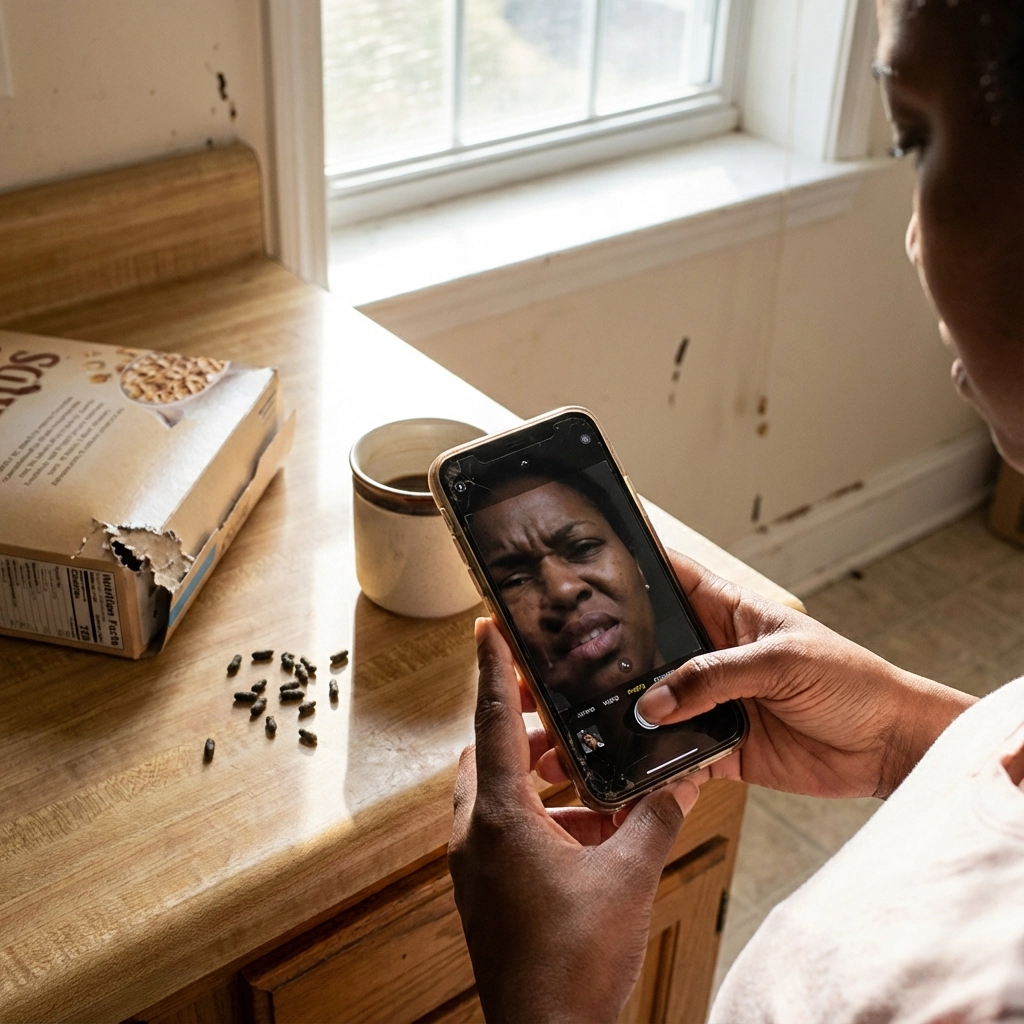
3. You’ve Got More Roommates Than You Signed Up For (Pest Infestations)
The Real Talk: Nobody wants to share their cereal with mice or have cockroaches as uninvited dinner guests. When pest problems get so bad that you’re afraid to turn on the lights at night, that’s a health hazard your landlord needs to address.
Real-Life Example: You’re renting in Rochester, and you’ve started naming the mice because there are so many of them. “Gerald” lives behind the stove, “Patricia” has claimed the bathroom cabinet, and the whole “Johnson family” has set up shop in your bedroom walls. You’ve told your landlord about your unwanted roommates, but they keep suggesting you “just get some traps.” Meanwhile, you’re finding mouse droppings in your coffee mug. Time to withhold that rent until they bring in a professional exterminator.
The important thing is documenting the severity of the problem. A few ants here and there might not cut it, but a full-scale invasion absolutely does.
4. Your Apartment is Growing Science Experiments (Mold and Mildew)
The Real Talk: Mold isn’t just gross: it’s a legitimate health hazard. When your bathroom looks like a petri dish and your landlord keeps saying “just use bleach,” they’re not taking your health seriously. You shouldn’t take their rent collection seriously either.
Real-Life Example: Let’s say you’re dealing with black mold in your Buffalo apartment that’s spread across an entire wall. You’ve tried cleaning it yourself (because you’re a reasonable person), but it keeps coming back stronger than a bad relationship. Your landlord’s solution was to paint over it. Literally just paint over mold. That’s when you can legally say, “Fix the actual problem, or this rent money stays with me.”
New York courts have consistently ruled that mold problems severe enough to affect habitability are grounds for rent withholding, especially when the landlord refuses to address the underlying moisture issues causing the problem.
5. Your Home Has More Toxic Elements Than Your Ex (Health Hazards)
The Real Talk: Lead paint, asbestos, carbon monoxide leaks: these aren’t just maintenance issues, they’re potentially life-threatening problems. If your landlord knows about these hazards and isn’t doing anything about them, they’re essentially asking you to pay rent to slowly poison yourself.
Real-Life Example: You discover lead paint chips in your Syracuse apartment, especially dangerous if you have kids. You notify your landlord immediately, but they want to handle it with a quick coat of regular paint instead of proper lead abatement. That’s not just irresponsible: it’s illegal. You have every right to withhold rent until they handle the remediation properly with licensed professionals.
These kinds of health hazards require immediate professional attention, not DIY YouTube tutorials from your landlord’s nephew.
The Fine Print: How to Actually Do This Without Screwing Yourself Over
Here’s where things get serious, folks. You can’t just decide to stop paying rent and hope for the best. New York has specific procedures you need to follow:
Step 1: Document everything. Photos, videos, written communications with your landlord. Pretend you’re building a case for court: because you might be.
Step 2: Give written notice to your landlord about the problem and give them a reasonable chance to fix it. “Reasonable” usually means 14-30 days for major issues.
Step 3: In New York, you typically need to deposit your withheld rent with the court or into an escrow account. You can’t just spend it on a vacation to Florida.
Step 4: Make sure the problem wasn’t caused by you or your guests. If you broke it, you can’t withhold rent over it.
New York’s Law, Plain and Simple: Warranty of Habitability (RPL §235-b)
New York’s Warranty of Habitability says every residential lease comes with a non-negotiable promise: your home must be safe, sanitary, and fit to live in. You can’t waive it, your landlord can’t dodge it, and if they blow it, you may be entitled to withhold rent or get a rent abatement—if you follow the rules.
What usually counts as unsafe, unlivable, or code/health violations:
- No heat or hot water during required periods; chronic loss of electricity or plumbing failures.
- Major leaks, recurring flooding, collapsing ceilings, or broken doors/windows that compromise security.
- Widespread mold from moisture problems (not just a little mildew), especially when it keeps returning.
- Significant pest infestations (mice, rats, roaches, bedbugs) not caused by tenant behavior.
- Sewage backups or other unsanitary conditions from building systems.
- Exposed wiring, sparking outlets, or non-functioning smoke/CO detectors.
- Lead paint hazards, friable asbestos, or carbon monoxide issues.
- Serious code violations like illegal bedrooms, blocked exits/lack of egress, non-working fire escapes, or missing required locks.
- Anything that materially affects health or safety under local housing or health codes.
Heads up: This isn’t a “stop paying because I’m annoyed” law. You still have to notify your landlord, document the issues, and be ready to escrow the rent. That paper trail is your armor.
Use NEIGHBORHOOD NET OFFICES and CITY CODE ENFORCEMENT (Before You Withhold)
Before you hold back a dime, bring in the referees. Neighborhood NET offices and City Code Enforcement can:
- Inspect your apartment and document violations.
- Issue orders to repair with deadlines.
- Create official records that back you up if your landlord files a nonpayment eviction.
How to play it:
- Report the problems to your city’s Code Enforcement/NET office and request an inspection.
- Be present for the inspection; show every issue. Get the report/violation numbers.
- Keep copies of inspection reports, violation notices, photos/videos, and all messages with your landlord.
- Send written notice to your landlord attaching the inspection findings and a clear deadline to fix.
- If repairs still don’t happen, consider withholding while parking the rent in a separate escrow account—and be ready to pay into court if a case is filed.
Why this matters: Judges love evidence. Inspection reports and violation notices turn your story into proof. Skipping these steps can land you in hot water when it’s time to defend a nonpayment case.
City snapshots:
- Rochester: Contact your Neighborhood NET Office (through the Neighborhood Service Centers) and request a Code Enforcement inspection. If the inspector cites no heat, mold, or vermin, you’ll get an Order to Remedy and a reinspection date. Those documents plus your escrow records can support a rent abatement defense.
- Buffalo: File a complaint with City Code Enforcement. Inspectors can cite unsafe wiring, lead hazards, or heat failures and issue correction deadlines. Violation notices + your photos + escrow show the court you followed the playbook.
- Syracuse: Ask City Code Enforcement for an inspection. They can tag serious conditions, set timelines, and recheck. Use their reports and emails (along with your notice to the landlord) to defend against a nonpayment case and request a rent reduction.
How Much to Withhold (Smart NY Strategy)
Don’t withhold 100% of the rent. That move can backfire hard if the judge decides the problems don’t justify a full abatement. A safer play in New York is to withhold a portion—typically 10% to 33%—while you:
- Keep paying the rest on time, and
- Park the withheld portion in a separate escrow account.
Why this helps: no one can predict the exact abatement a court will award. Partial withholding limits your risk. If the judge grants a smaller reduction than you held back, you can quickly cover the difference from escrow. If the judge grants more, you’ve already shown good faith and protected yourself.
Quick example (numbers only): Rent is $1,500. You withhold 25% ($375) and pay $1,125 monthly while issues persist. If the court later says the fair abatement was 15%, you owe the 10% difference—but you’ve got the escrow to square up fast. If the court says 30%, you’re already close to the mark.
This strategy, plus notice, documentation, and code inspections, gives New York tenants the best shot at a fair outcome without a nasty surprise bill.
Put It in Writing—and Use Receipts to Prove You’re Reasonable
Be very clear about why you’re withholding. Put it in writing and tie it to specific problems in the apartment (dates, rooms, code or inspection references, and photos). Send it to your landlord and keep a copy.
If you can safely address a small, urgent fix, use a portion of the withheld rent to get it done—think modest repairs around $300 or less (for example, replacing a broken lock, installing a working smoke/CO detector, or hiring a plumber for a minor leak). Keep the receipt and proof of payment, and share copies with your landlord.
Why this helps in New York: it shows the court you acted reasonably and in good faith to make the place livable—not just to hold cash. Still escrow the rest, and don’t DIY anything that requires permits, a licensed pro, or specialized abatement (electrical/gas work, asbestos/lead, major structural issues).
Look Reasonable, Not Reckless
Landlords are much more likely to try to evict tenants they see as just not paying and causing trouble. If you handle things differently—fix a problem yourself when it’s safe and inexpensive, pay for the repair, and keep paying a fair portion of the rent—you come across as reasonable and more sophisticated than most tenants. That approach not only strengthens your case in court, it can also make your landlord less likely to target you for eviction in the first place.
The Legal Reality Check
Let’s be crystal clear: withholding rent is a legal tool, not a revenge tactic. If you do this wrong, you could face eviction proceedings, and “but my landlord sucks” isn’t going to save you in housing court.
Different judges interpret habitability standards differently, and what flies in one courtroom might not work in another. Some issues that seem major to you might not meet the legal standard for rent withholding.
What Happens at Trial if You Withheld Rent (NY Reality)
Straight talk: New York law does not set a fixed abatement percentage. There’s no statute or chart that says “X problem = Y% off.” Judges decide case by case. Most of the time, the court grants a rent abatement—a percentage reduction—for the months the conditions were bad. For moderate issues, reductions often land roughly in the 20–40% range. That said, courts have awarded as little as about 10% and, in rare, extreme situations, as much as 100%. This is judicial practice—judge’s discretion—not a legal rule or a guarantee.
What drives the number:
- How severe and widespread the problems were (one room vs. the whole place).
- How long they lasted and whether they affected essentials (heat, hot water, plumbing, safety).
- Your proof: photos, videos, inspection reports, violation notices, and credible testimony.
- Whether you gave notice, allowed access for repairs, and escrowed the rent.
Bottom line: expect a reduction if you prove your case, but don’t bank on a massive one. Even if you “win,” expect to pay something. Total rent forgiveness is very rare and reserved for nightmare conditions.
Quick example (not a promise): You pay $1,200/month in Syracuse. For three winter months, the heat was unreliable and Code Enforcement cited violations. The judge finds serious conditions and knocks 35% off those three months. You owe 65% of $1,200 each month—$780 x 3 = $2,340—minus anything you already put in escrow. That’s a win, just not a free ride.
Getting Help in Your Corner of New York
If you’re dealing with habitability issues in Rochester, Buffalo, or Syracuse, you don’t have to figure this out alone:
Rochester: Legal Aid Society of Rochester can provide tenant counseling and representation.
Buffalo: Legal Services for the Elderly, Disabled or Disadvantaged of Western New York offers housing assistance.
Syracuse: Legal Services of Central New York provides tenant rights advocacy.
Statewide: The New York State Attorney General’s office has tenant resources and can help with habitability complaints.
Your local housing court also often has self-help resources and tenant advocates who can walk you through the proper procedures.
The Bottom Line
Your landlord isn’t doing you a favor by renting to you: it’s a business relationship where they provide habitable housing and you provide payment. When they’re not holding up their end of the deal, you have legal options to protect yourself.
But remember, withholding rent is like playing chess, not checkers. Every move has consequences, and you need to think several steps ahead. When in doubt, talk to a housing attorney or tenant advocate before you make your move.
Your home should be safe, warm, and livable. If your landlord can’t manage that basic requirement, maybe it’s time they learn what it feels like when the money stops flowing as reliably as their excuses.
 Diallo Payne Law Library
Leave a comment