The 75-Country Freeze: New Ban, Old RACIST Playbook?
![[HERO] The 75-Country Freeze: New Ban, Old Playbook?](https://cdn.marblism.com/o4E9j9PAqTb.webp)
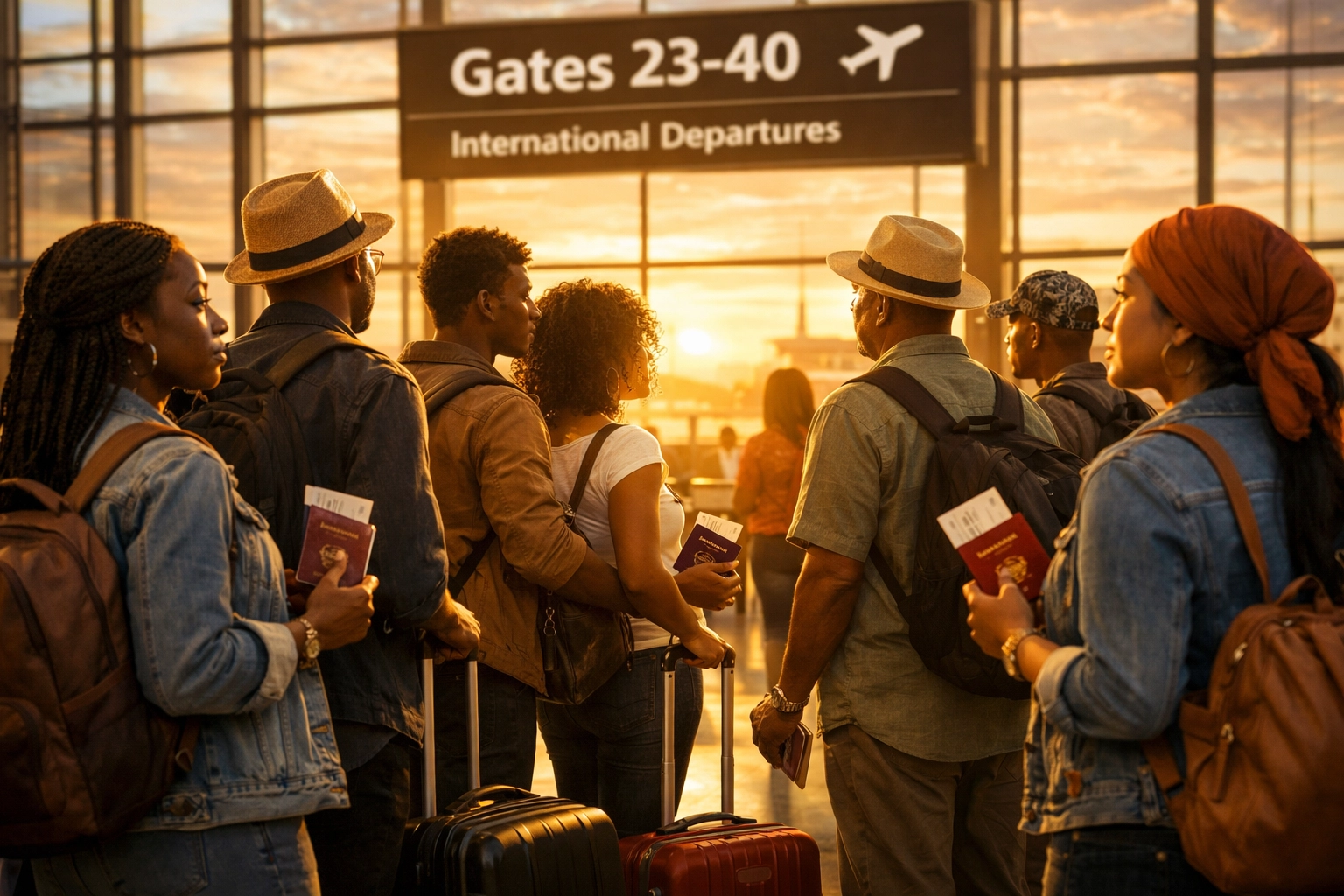
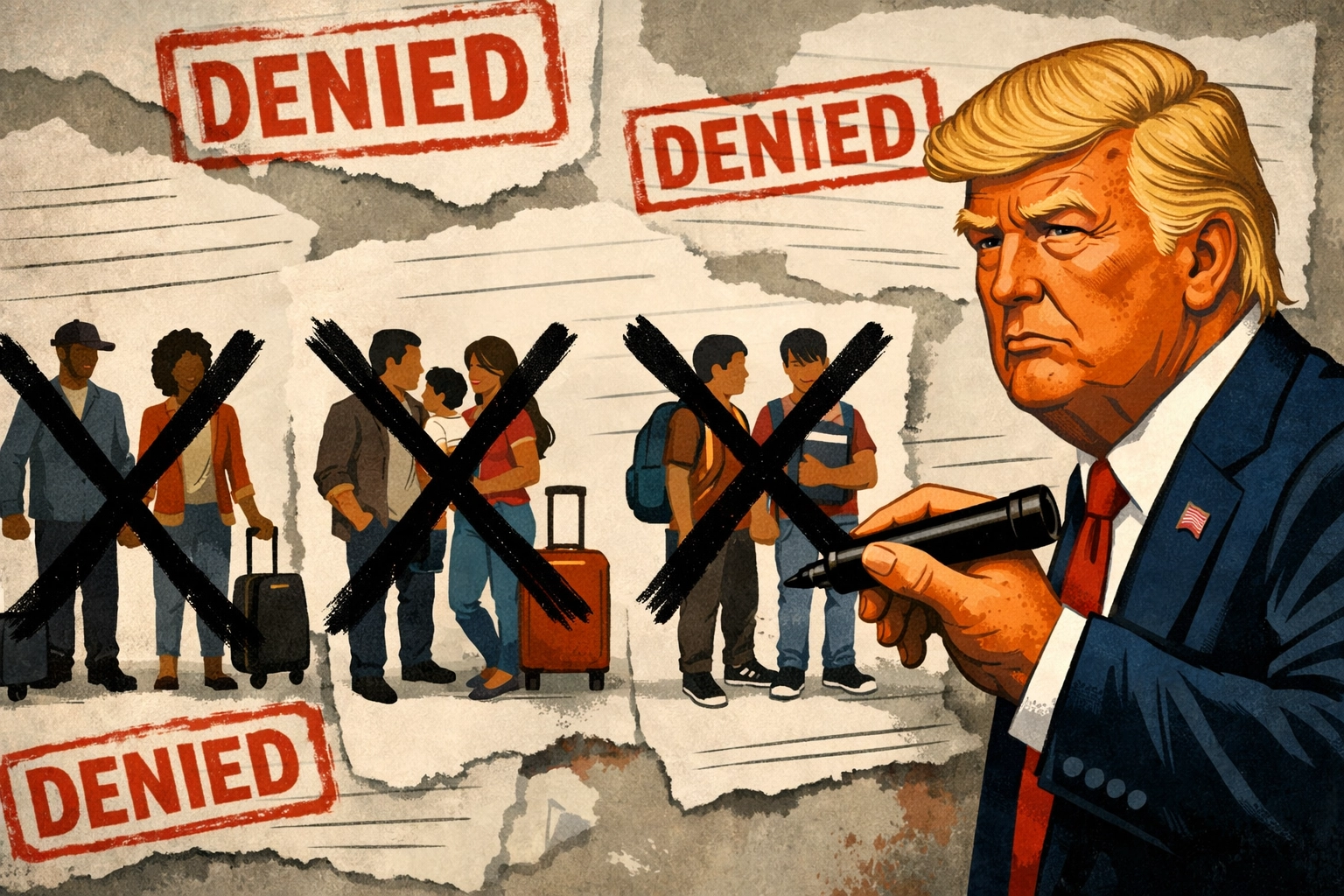
On January 21, 2026, the Trump administration dropped a bombshell: a visa freeze affecting 75 countries. No temporary hold. No clear end date. Just an indefinite pause that’s keeping families separated and dreams on hold.
Here’s the thing that jumps out when you look at the list: the overwhelming majority of these 75 countries share something in common. They’re in Africa, the Caribbean, Latin America, and the Middle East. They’re what we might call Black, Brown, and Melanated nations. Meanwhile, European countries? They’re sitting pretty, largely exempt or handled with what the administration calls “geopolitical sensitivity.”
If this feels familiar, that’s because it is. We’ve seen this movie before: and the script hasn’t changed much in over 200 years.
What’s Actually Happening Right Now
The policy relies on something called the “public charge” rule. Essentially, if the government thinks you might use public benefits like healthcare, food assistance, or housing support, they can deny your visa. Sounds reasonable on the surface, right? Thproblem is how broadly they’re applying it.
We’re talking about visa denials based on age, weight, English proficiency, health conditions, and whether someone might need medical care down the road. Under a November 2025 State Department cable, consular officers have been instructed to scrutinize applicants using an incredibly wide lens. If you’re older? Red flag. If you don’t speak perfect English? Red flag. If you have a chronic health condition? You might be deemed too risky.
The public charge provision isn’t new: it’s been around for decades. But the scope keeps changing based on who’s in office. Trump expanded it dramatically in 2019 to include programs like SNAP, Medicaid, and housing vouchers. Biden narrowed it back down in 2022, focusing mainly on cash assistance and long-term institutional care. Now, we’re back to the broader interpretation, cranked up to eleven.
This isn’t a temporary freeze. The State Department says it’ll continue “indefinitely until the department conducts a reassessment.” Translation: nobody knows when this ends.
The Numbers Don’t Lie
Let’s talk about who’s actually affected. Of the 75 countries on this list, the vast majority are African nations. Add in Caribbean countries like Haiti, Latin American nations, and Middle Eastern countries, and you’ve got a clear demographic pattern.
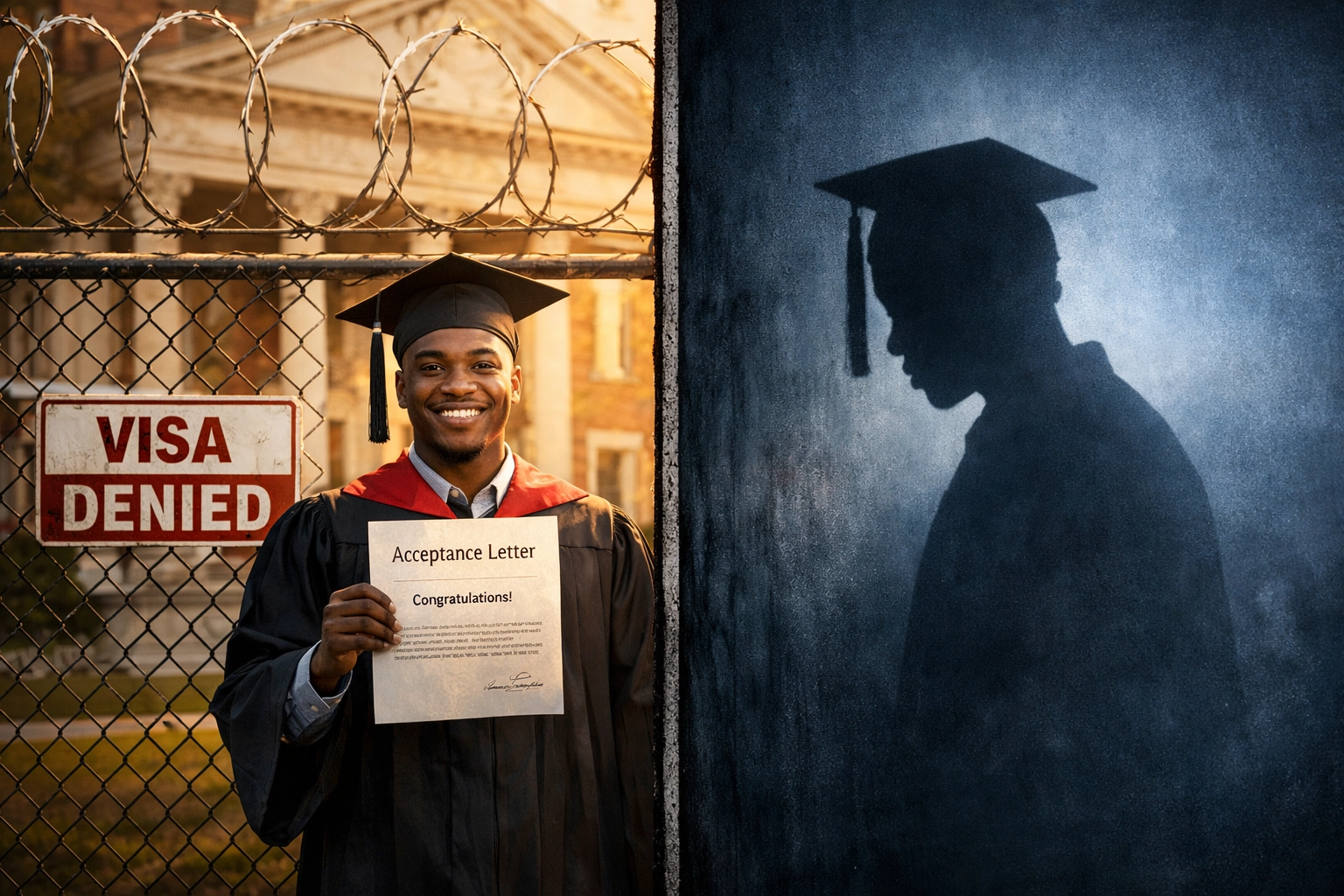
These aren’t just statistics. We’re talking about students who got accepted to American universities but can’t get here. We’re talking about families trying to reunite. We’re talking about professionals with job offers who are stuck in limbo. And overwhelmingly, these are Black and Brown people.
Now compare that to how European countries are being handled. Countries in Western Europe aren’t facing these blanket restrictions. When issues come up with European visa applicants, they’re addressed with what officials call “case-by-case” review and “diplomatic consideration.” Different rules for different folks.
The official explanation centers on “national security” and concerns about people becoming “public charges.” But when you look at the demographics of who’s banned versus who’s not, it’s hard not to see a pattern.
A History Lesson: Haiti and the First Black Republic
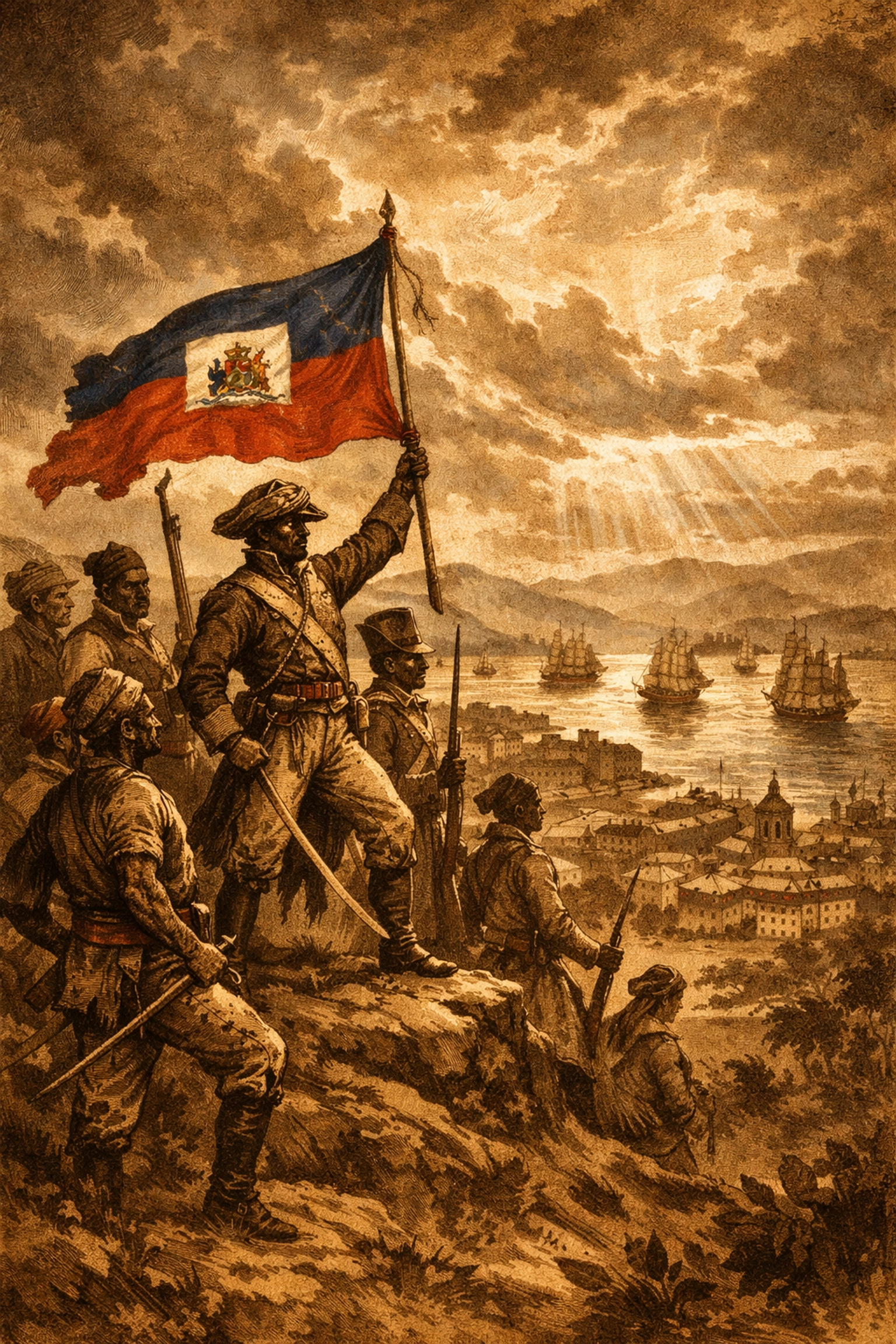
To understand what’s happening today, we need to rewind to 1804. That’s when Haiti did something revolutionary, literally. Enslaved Africans rose up, defeated their colonizers, and established the world’s first free Black republic.
You’d think the world would celebrate. Instead, Haiti got the silent treatment. For nearly 60 years, the United States and European powers refused to recognize Haiti as a legitimate nation. Why? Because a successful, free Black republic was terrifying to countries built on slavery and colonialism.
The U.S. didn’t recognize Haiti until 1862: and that was only after the Civil War had already started and Southern states had seceded. France demanded reparations from Haiti (you read that right: the victims had to pay their former oppressors) and didn’t fully recognize the country until 1825, and even then, with strings attached.
Haiti faced economic embargoes, political isolation, and constant interference. The message was clear: a free Black nation couldn’t be allowed to succeed because it would inspire others. The playbook was isolation, economic pressure, and diplomatic freeze-out.
Sound familiar?
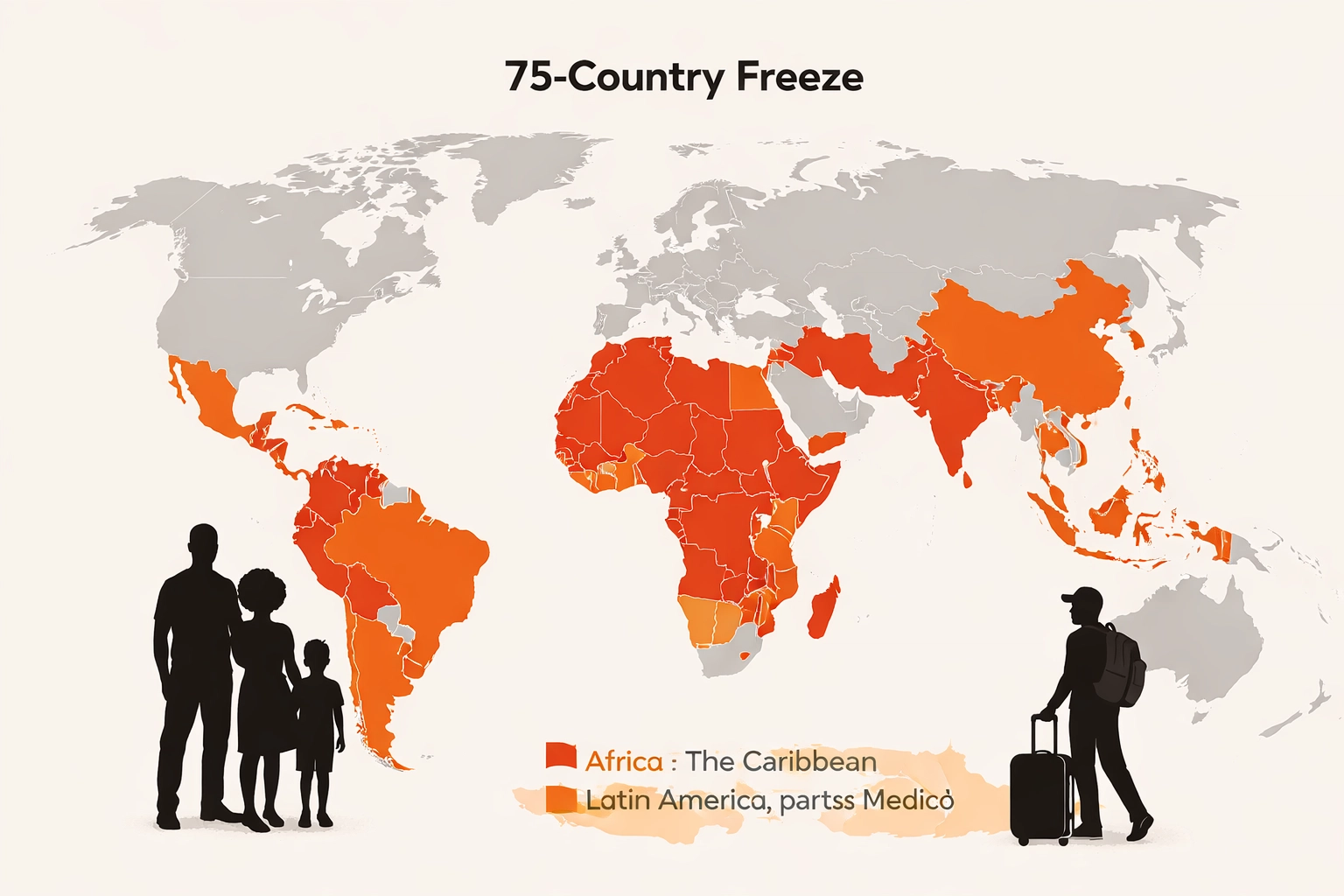
The 75 Countries (Most Notable + Full List)
The government is calling it a 75-country “freeze,” so here’s a clear breakdown. First, the countries people are talking about most (because of the demographics and who’s getting hit hardest), then the full list.
Most talked-about countries (demographic focus)
Somalia, Haiti, Sudan, Nigeria, Egypt, Brazil, Ethiopia, Eritrea, Cameroon, Ghana, Senegal, Democratic Republic of the Congo, Republic of the Congo, Ivory Coast (Côte d’Ivoire), Kenya, Uganda, Tanzania, South Africa, Angola, Algeria, Morocco, Tunisia, Libya, Syria, Yemen, Iran, Iraq, Afghanistan, Pakistan, Bangladesh, Venezuela, Cuba, Dominican Republic, Guatemala, Honduras, El Salvador, Nicaragua.
Full 75-country list (grouped by region for readability)
Africa (45)
- Algeria
- Angola
- Benin
- Botswana
- Burkina Faso
- Burundi
- Cabo Verde
- Cameroon
- Central African Republic
- Chad
- Comoros
- Democratic Republic of the Congo
- Republic of the Congo
- Djibouti
- Egypt
- Equatorial Guinea
- Eritrea
- Eswatini
- Ethiopia
- Gabon
- Gambia
- Ghana
- Guinea
- Guinea-Bissau
- Ivory Coast (Côte d’Ivoire)
- Kenya
- Lesotho
- Liberia
- Libya
- Madagascar
- Malawi
- Mali
- Mauritania
- Morocco
- Mozambique
- Niger
- Nigeria
- Rwanda
- Senegal
- Sierra Leone
- Somalia
- South Africa
- Sudan
- Tunisia
- Uganda
Caribbean (8)
46. Antigua and Barbuda
47. Bahamas
48. Barbados
49. Cuba
50. Dominica
51. Dominican Republic
52. Grenada
53. Haiti
Latin America (8)
54. Belize
55. Brazil
56. Colombia
57. El Salvador
58. Guatemala
59. Honduras
60. Nicaragua
61. Venezuela
Middle East (8)
62. Iran
63. Iraq
64. Jordan
65. Lebanon
66. Oman
67. Syria
68. United Arab Emirates
69. Yemen
South Asia / Central Asia (6)
70. Afghanistan
71. Bangladesh
72. Pakistan
73. Sri Lanka
74. Tajikistan
75. Uzbekistan
An Old Playbook: The History of the List
This is the part people forget: the “list” idea didn’t fall out of the sky in 2026. Different presidents used different words (“security,” “screening,” “economic migrant,” “public charge”), but the same regions kept getting treated like the default problem.
Reagan & Bush: High-seas interdiction of Haitians (1980s/1990s)
Back in the 80s and early 90s, Haitian migrants were often intercepted at sea. Instead of getting a real shot at asylum on U.S. soil, many were stopped on the water and turned back. The policy message was basically: Haitians are a burden and a problem we have to block early.
And notice how that “early block” logic lines up with today’s freeze mentality: stop people before they can even apply in a meaningful way.
Carter: The 1980 Iranian ban + the “economic migrant” label for Haitians
In 1980, after the Iran hostage crisis, the U.S. moved to restrict Iranians in a sweeping way that tied an entire nationality to a security crisis. Around that same era, Haitian asylum seekers were commonly labeled “economic migrants,” which sounds neutral until you realize what it did in practice: it made it easier to deny protection by treating their claims like they were just about jobs, not safety.
So you had one group framed as a security threat (Iran) and another framed as an economic burden (Haiti). Different labels, same outcome: tighter doors.
Obama: The 2011 pause on Iraqi visas
In 2011, after concerns about refugee vetting, the U.S. paused parts of the Iraqi visa/refugee pipeline. Even though most people affected were trying to come through legal channels (often with strong ties to the U.S. government’s work overseas), they still got swept into a broad pause based on generalized risk.
Why this matters
Put these together and you start to see the “evidence” of a long-standing approach: African and Caribbean nations (and certain Middle Eastern countries) repeatedly get treated like they’re automatically risky—either as security threats or as “public charge” style burdens. Meanwhile, European countries—when there’s a problem—tend to get a lighter touch: more exceptions, more “case-by-case,” more diplomatic patience.
That doesn’t mean every single restriction was identical or that every administration had the same motivation. It means the pattern is familiar: whole populations get categorized fast, and the scrutiny falls hardest on Black and Brown regions.
Old Patterns, New Century
The 75-country freeze isn’t inventing anything new. It’s pulling from a centuries-old playbook that treats Black and Brown nations as threats, problems to be managed, or places people need to escape from rather than thrive in.
When Haiti won its freedom, Western powers isolated it. When African nations gained independence in the mid-20th century, they faced economic manipulation and political interference. Now, in 2026, we’ve got a visa policy that overwhelmingly targets those same regions while giving European countries a pass.
The justification changes: “spreading revolution,” “communism,” “terrorism,” “public charge”: but the pattern stays the same. Black and Brown countries get the restrictive treatment. European countries get the benefit of the doubt.
This isn’t about security screenings or legitimate vetting. Every country has the right to control its borders and screen visitors. But when 75 countries get frozen out, and they’re almost all Black and Brown nations, while European countries face no such blanket restrictions, we’re not talking about security. We’re talking about selective enforcement based on who people are and where they come from.
What This Means for Real People
Behind every policy are real people with real lives. The 75-country freeze means:
- Students who worked their whole lives to get into American universities can’t attend
- Families separated for years can’t reunite
- Professionals with specialized skills can’t fill job openings
- Medical patients seeking treatment in the U.S. are stuck
- Business owners can’t travel for legitimate work
And here’s the kicker: many of these people wouldn’t become “public charges” anyway. They’re students with scholarships. They’re professionals with job offers. They’re family members with U.S. citizen relatives who’ll support them. But they’re getting swept up in a blanket policy that assumes the worst based on where they were born.

Moving Forward
The 75-country freeze will face legal challenges. Previous versions of travel bans and public charge expansions have been tied up in court for years. Some got partially blocked. Some got overturned. Some eventually took effect in modified forms.
For now, thousands of people are in limbo. They’re waiting for reassessments that may never come. They’re watching opportunities slip away. They’re separated from loved ones with no clear timeline for reunion.
If you or someone you know is affected by this policy, document everything. Keep records of denials, communications, and how the policy impacts your specific situation. Immigration law changes constantly, and having detailed documentation matters when policies shift or legal challenges succeed.
This isn’t the first time we’ve seen policies that target specific regions and demographics. History shows us these patterns repeat. What also repeats is resistance, legal challenges, and eventually, change.
The question isn’t whether this policy is new. It’s not. The question is whether we’ll recognize the old playbook for what it is: and whether we’re okay with the same patterns playing out in a new century.
The 75-country freeze might be 2026 policy, but it’s running on 1804 logic. And that’s worth paying attention to.
Cleaning House: ICE Takes on the Gangs
While the visa bans are happening up top, ICE has also been busy on the ground.
According to the administration, ICE has arrested around 7,000 gang members in the first year, going after what they call the “worst of the worst.” The pitch is pretty simple: grab the people tied to violent crews first, then work outward.
They’ve also been working with the DEA to help dismantle drug networks and violent organizations operating across the country. In plain terms, it’s a two-track approach: tighter entry rules at the border/visa level, and heavier enforcement inside the U.S.
And yes—visually, the images in this post still stick to the preference: only Black and Latino people are featured.
 Diallo Payne Law Library
Leave a comment